Water damage rarely feels small when it happens inside your home or business. One minute everything looks normal, and the next minute you are dealing with wet floors, soaked walls, damaged belongings, and the stress of not knowing what to do first. In Tallapoosa and the surrounding West Georgia area, water damage can come from storms, plumbing leaks, appliance failures, roof leaks, overflowing fixtures, or water entering through low areas around the property.
The first 24 hours matter the most. Fast action can reduce damage, protect your property, and lower the chance of mold growth. This guide explains the simple steps you should take right away, what you should avoid, and when it is time to call Stateline Water Damage Restoration for professional water damage cleanup.
Start With Safety Before Cleanup
Before grabbing towels or moving furniture, slow down and check for safety risks. Water and electricity are a dangerous mix. If the water is near outlets, appliances, electrical panels, or plugged in devices, do not walk through it. Stay out of the affected area and call a professional.
You should also avoid rooms where ceilings are sagging, flooring feels soft, or water is coming from an unknown source. If the water may be contaminated, such as from a sewage backup or outside flooding, do not touch it without proper protection. The safest first move is to stop the source of water if you can do it safely, then keep people and pets away from the damaged area.
Document the Damage Before Moving Too Much
It is natural to want to clean everything immediately, but photos and videos are important. Take clear pictures of the water source, affected rooms, wet flooring, damaged walls, furniture, appliances, and personal items. This helps create a record of what happened before cleanup begins.
You do not need perfect photography. A few wide photos of each room and close ups of the worst damage are usually enough to help with documentation. If you work with a restoration company, they can also take moisture readings and more detailed photos during the inspection.
Remove Small Items From the Wet Area
If the area is safe to enter, move small dry items away from the water. Shoes, rugs, boxes, electronics, books, and fabric items can absorb moisture quickly. Getting them out of the wet area can help prevent more damage.
For larger furniture, avoid dragging it across wet flooring because that can create stains, scratches, or more damage. If furniture legs are sitting in water, placing foil or plastic under the legs can help reduce staining until help arrives. Do not lift heavy items alone or move anything that feels unsafe.
Do Not Trust the Surface to Tell the Whole Story
One of the biggest mistakes property owners make is assuming the problem is over once the visible water is gone. Water can move under flooring, behind baseboards, inside walls, and into insulation. Carpet may feel dry on top while the padding underneath is still wet. Hardwood or laminate flooring may look fine at first, then begin to warp later.
That is why professional water damage restoration is more than simple cleanup. It includes moisture detection, water extraction, drying equipment, air movement, dehumidification, and monitoring. The goal is not just to make the room look dry. The goal is to dry the structure correctly.
Watch for Mold Risk
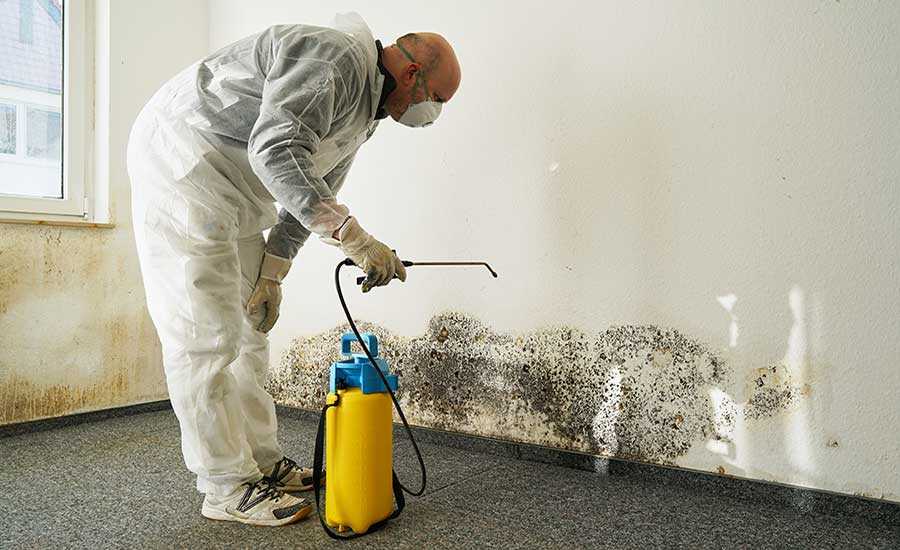
Mold can become a concern when moisture is not addressed quickly. Warm rooms, wet drywall, damp carpet, and poor airflow can create the right environment for mold growth. You may notice musty odors, discoloration, or allergy like irritation after water damage.
The best way to reduce mold risk is to remove moisture fast. Fans from home can help with light surface drying, but they are not enough for hidden moisture. Professional drying equipment is designed to pull moisture out of the air and affected materials more effectively.
When to Call Stateline Water Damage Restoration
Call a professional restoration company if the affected area is larger than a small spill, if water reached walls or flooring, if the source was a plumbing failure, if there is standing water, or if you smell musty odors after cleanup. You should also call if the property is a business, rental home, or insured property where documentation matters.
Stateline Water Damage Restoration helps homeowners and businesses in Tallapoosa, West Georgia, Northwest Georgia, and East Alabama with emergency water damage restoration. The team can inspect the damage, remove water, dry affected areas, document the work, and help protect the property from further problems.
Final Thoughts
The first 24 hours after water damage can feel overwhelming, but the right steps make a big difference. Focus on safety, stop the water source if possible, document the damage, move small items out of the wet area, and avoid assuming the property is dry just because the surface looks better.
For fast help, call Stateline Water Damage Restoration at 470-583-6007. A quick response can help reduce damage and get your property moving toward recovery.
FAQs
How fast should I call after water damage?
You should call as soon as possible. Fast response helps reduce moisture spread, lower repair risk, and limit the chance of mold growth.
Can I dry water damage with household fans?
Household fans may help with light surface moisture, but they usually cannot remove hidden moisture inside flooring, walls, and building materials.
Should I file an insurance claim right away?
If the damage is significant, take photos, document the situation, and contact your insurance provider. A restoration company can also help document the damage.
Does Stateline offer emergency water damage restoration?
Yes. Stateline Water Damage Restoration provides emergency restoration service for Tallapoosa, West Georgia, Northwest Georgia, and East Alabama.