After a fire, most people focus on what burned. That makes sense. Flames are frightening, and visible damage can be shocking. But after the fire is out, the cleanup is often more complex than it first appears. Smoke can move through rooms that never had flames. Soot can settle on walls, ceilings, furniture, electronics, and HVAC surfaces. Water used to put out the fire can leave floors, walls, and materials wet.
For property owners in Temple and the surrounding West Georgia area, fire and smoke damage cleanup is about more than appearance. It is about safety, odor control, moisture removal, surface cleaning, and protecting the parts of the property that can still be saved. This blog explains what happens after a fire and why professional cleanup matters.
Smoke Travels Farther Than You Think
Smoke does not stay neatly inside the burned room. It can travel through doorways, vents, hallways, wall openings, and small gaps. That means a small fire in one area can leave smoke odor and soot in rooms across the property.
The type of smoke residue can also vary depending on what burned. Some residues are dry and powdery. Others are oily and sticky. Some odors settle deep into porous materials. This is why basic cleaning often does not fully remove smoke damage. The cleanup method needs to match the material and the type of residue.
Soot Can Damage Surfaces Quickly
Soot is more than dust. It can be acidic and can stain or damage materials if it sits too long. Painted walls, metal fixtures, glass, countertops, appliances, and fabrics can all be affected. The longer soot remains, the harder it can be to clean properly.
Trying to wipe soot with the wrong product can make the damage worse. It can smear residue, push it deeper into surfaces, or leave permanent staining. Professional fire damage cleanup uses a more controlled process to remove residue safely and reduce secondary damage.
Water Damage Is Often Part of Fire Damage
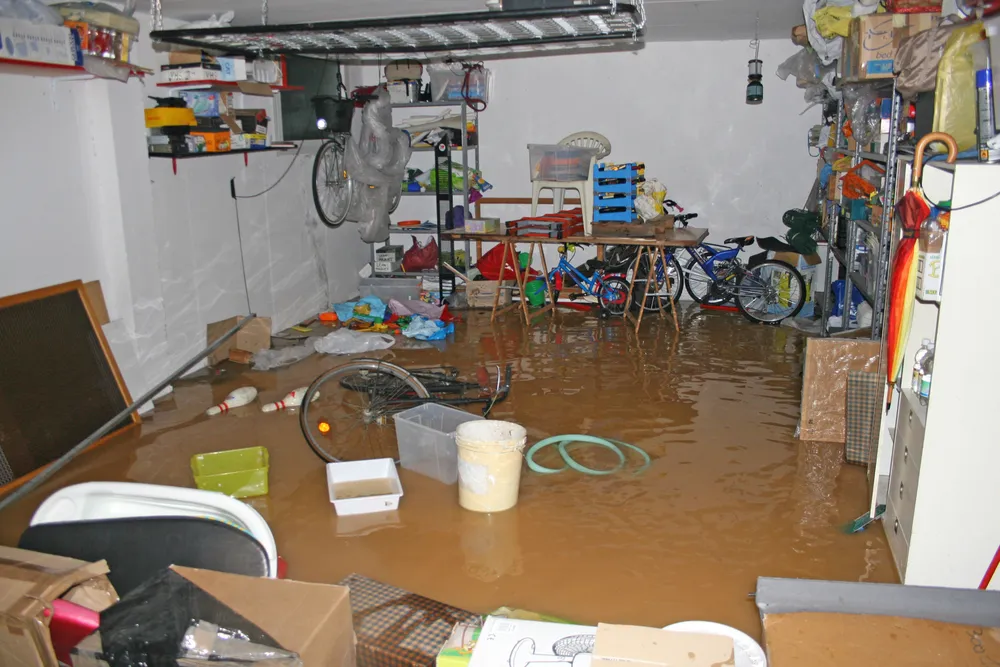
Many fire cleanup projects also include water damage restoration. Water from firefighting efforts, sprinklers, burst lines, or damaged roofing can soak flooring, drywall, insulation, and contents. If the water is not removed and the structure is not dried properly, mold and odor can become the next problem.
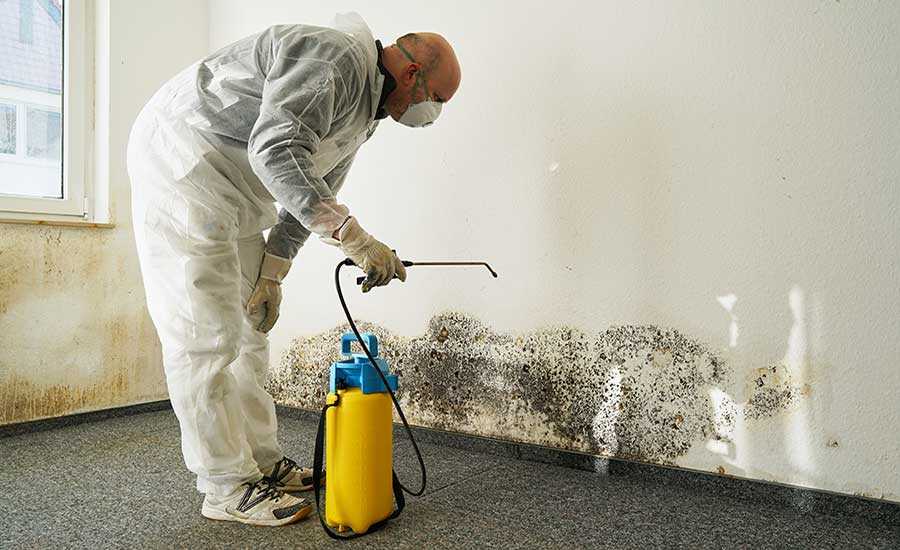
This is why fire restoration should include both cleanup and drying. Removing smoke residue without addressing moisture leaves the property only partly restored. A complete plan looks at fire damage, smoke damage, soot, odor, and water damage together.
Odor Control Takes More Than Air Freshener
Smoke odor can stay trapped in porous materials like drywall, carpet, furniture, curtains, clothing, wood, and insulation. Air fresheners may cover the smell for a short time, but they do not remove the source of the odor.
Professional odor control starts by removing damaged materials that cannot be saved, cleaning affected surfaces, improving ventilation, and using restoration methods designed for smoke odor. In some cases, contents may need to be cleaned separately from the structure.
Do Not Rush Back Into the Property
After a fire, wait until it is safe to enter. Structural damage, electrical hazards, wet surfaces, broken glass, smoke residue, and unstable materials can create risks. Even when the fire looks small, the affected area should be checked carefully.
If you can enter safely, take photos before moving items. Avoid touching soot covered surfaces, turning on HVAC systems, or trying to wash walls without guidance. These actions can spread soot or make damage worse. A professional inspection can help you understand what should be cleaned, removed, dried, or documented.
How Stateline Helps After Fire and Smoke Damage
Stateline Water Damage Restoration helps homeowners and businesses with fire and smoke damage repair in Temple, West Georgia, Northwest Georgia, and East Alabama. The team can help with soot cleanup, smoke odor control, damaged material removal, drying, and restoration support.
The goal is to make the recovery process clearer and less stressful. After a fire, you should not have to guess what can be saved, what needs removal, or how to manage smoke odor. A restoration team can help organize the next steps and support documentation for the damage.
Final Thoughts
Fire damage does not end when the flames go out. Smoke, soot, odor, and water can continue affecting the property if cleanup is delayed. Fast, professional restoration can help reduce secondary damage and give property owners a clearer path forward.
If your home or business has fire or smoke damage, call Stateline Water Damage Restoration at 470-583-6007 for help in Temple, GA and surrounding areas.
FAQs
Why does smoke smell stay after a fire?
Smoke odor can settle into porous materials like drywall, carpet, furniture, wood, fabrics, and insulation. Cleaning the source is usually needed to reduce odor.
Can soot be cleaned with regular household cleaner?
Some surfaces need special cleaning methods. The wrong cleaner can smear soot or push residue deeper into the surface.
Why is water damage part of fire cleanup?
Water from firefighting, sprinklers, or damaged plumbing can soak building materials. Drying is important to reduce mold and odor risk.
Does Stateline handle fire and smoke damage repair?
Yes. Stateline Water Damage Restoration helps with fire and smoke damage cleanup, odor control, damaged material removal, and drying.